The reality is richer than casual viewers realize—effective horror selection requires understanding subgenres, recognizing quality filmmaking versus cheap gimmicks, and matching films to your specific tolerance and taste preferences.
Understanding Horror Subgenres and Styles
What I’ve learned through genre analysis is that “horror” encompasses wildly different styles—lumping everything together causes mismatches between films and viewer expectations routinely.
Psychological horror like “Hereditary” or “The Lighthouse” builds dread through atmosphere and character deterioration rather than explicit violence, rewarding patient viewers appreciating slow-burn tension.
Slasher films deliver straightforward violence and creative kills—modern entries like “X” and “Pearl” elevate the format through strong characters and filmmaking craft beyond simple body counts.
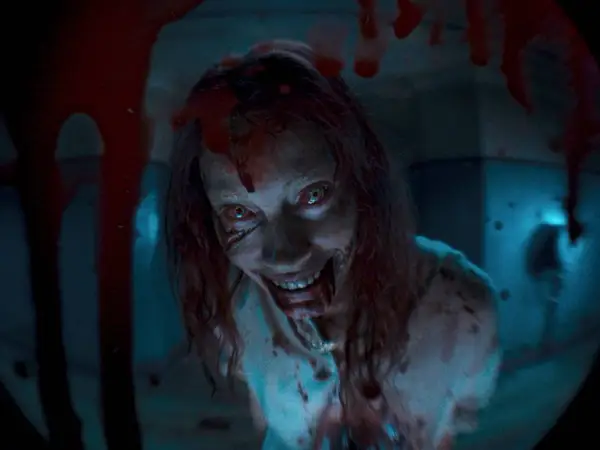
Supernatural horror including ghosts and demons varies from restrained (“The Conjuring”) to chaotic (“Evil Dead Rise”)—tone differences within subgenre require checking reviews beyond basic categorization.
Folk horror explores isolated communities and ancient beliefs—”Midsommar” and “The Ritual” demonstrate how cultural dread creates uniquely unsettling experiences differing from standard ghost stories.
From a practical standpoint, identify which subgenres you’ve enjoyed previously rather than dismissing horror broadly—chances are specific styles resonate whilst others don’t suit your preferences.
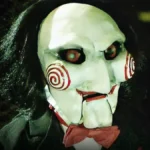
The data tells us that horror fans show strong subgenre preferences—someone loving “Saw” might hate “The Witch,” and vice versa, despite both qualifying as quality horror technically.
Recognizing Quality Horror Filmmaking
Look, the bottom line is that effective horror requires genuine craft—lazy films rely on loud noises and fake scares whilst quality entries earn genuine unease through atmosphere and tension.
Strong performances ground horror in believable reactions—Toni Collette in “Hereditary” or Lupita Nyong’o in “Us” deliver dramatic weight elevating films beyond genre exercises into serious cinema.
Cinematography and sound design create atmosphere more effectively than explicit content—notice how “A Quiet Place” generates tension through silence and “The Lighthouse” through oppressive aspect ratio.
Thematic depth separates memorable horror from disposable entertainment—”Get Out” comments on racism, “The Babadook” explores grief, whilst shallow films offer nothing beyond temporary scares forgotten immediately.
What surprises people most is discovering that restrained horror often scares more effectively than explicit gore—what’s suggested frightens imagination more than what’s shown directly.
From experience, read multiple reviews assessing craft elements beyond just “scary or not”—critics noting strong direction, performances, and themes identify films worth watching versus forgettable entries.
Back in 2015, horror remained critically dismissed. Recent years have seen prestigious awards recognition validating quality horror as legitimate cinema deserving serious consideration beyond genre fans.
Current Standout Films Worth Watching
Here’s what works for various horror preferences across this year’s releases delivering quality scares through different approaches suited to diverse taste profiles.
“Talk to Me” (2023) delivers genuinely frightening supernatural horror with emotional resonance about grief and teenage recklessness—accessible for mainstream audiences whilst satisfying hardcore fans completely.
“Infinity Pool” pushes boundaries with surreal body horror and social satire—challenging viewing not for everyone, but rewards adventurous viewers appreciating transgressive provocative filmmaking.
“M3GAN” offers campy fun balancing genuine scares with knowing humor—perfect for viewers wanting entertainment without punishing intensity or disturbing content requiring emotional recovery.
“Knock at the Cabin” provides Shyamalan’s restrained apocalyptic tension with strong performances—conversation-heavy approach suits viewers preferring psychological dread over explicit violence or jump scares.
“Evil Dead Rise” delivers relentless gore and creative kills updating franchise for new audiences—fans of intense practical effects and dark humor will appreciate this uncompromising approach.
From a practical standpoint, check trigger warnings for specific fears—arachnophobia, claustrophobia, specific trauma themes—ensuring films don’t cross personal boundaries causing genuine distress beyond entertainment.
The sweet spot involves sampling different styles discovering which resonate personally rather than forcing yourself through highly-praised films fundamentally incompatible with your tolerance levels honestly.
Navigating Streaming Platforms and Availability
What I’ve learned through distribution consulting is that finding quality horror requires knowing which platforms prioritize genre content versus treating horror as afterthought filler.
Shudder specializes exclusively in horror offering curated selections from classic to contemporary, though subscription costs £4.99 monthly requiring commitment for occasional viewers.
Netflix produces original horror ranging from excellent (“His House”) to forgettable, whilst housing solid back catalog—quality varies requiring selective viewing beyond watching everything released.
Prime Video and Apple TV+ deliver occasional prestige horror like “Nope” or “Coda” alongside cheaper acquisitions—worthwhile checking but not comprehensive genre destinations alone.
From experience, theatrical releases offer optimal horror experience—communal reactions amplify scares whilst large screens and sound systems deliver impact home viewing can’t replicate fully.
The data tells us that horror performs disproportionately well theatrically relative to streaming—shared experience and technical presentation matter more for horror than most genres.
What actually works involves mixing theatrical viewing for major releases with streaming discoveries for smaller films lacking theatrical distribution but delivering quality scares regardless.
Building Your Horror Knowledge and Taste
The reality is that horror appreciation deepens through understanding genre history, recognizing homages and innovations, and developing personal preferences beyond casual viewing.
Start with accessible gateway films like “A Quiet Place” or “Get Out” before diving into more challenging entries—building tolerance and appreciation gradually prevents overwhelming negative experiences.
Read about films after watching—understanding directorial intent, thematic layers, and production context enriches appreciation beyond surface-level scares or dismissals.
Follow critics specializing in horror rather than general reviewers—genre expertise provides better guidance than mainstream critics occasionally covering horror without deep knowledge.
From a practical standpoint, join horror communities online or in-person discussing films—shared enthusiasm and diverse perspectives expand understanding whilst providing recommendations matching specific tastes.
What surprises casual viewers discovering horror seriously is the genre’s diversity—assuming all horror resembles whatever you’ve seen previously limits exploration of genuinely different experiences available.
The sweet spot involves open-minded exploration balanced with self-awareness about personal limits—push boundaries gradually without forcing yourself through genuinely traumatic viewing experiences.
Conclusion
Navigating contemporary horror requires understanding subgenre distinctions, recognizing quality filmmaking, exploring current standout releases, knowing platform strengths, and developing informed taste through education.
Today’s horror delivers sophisticated entertainment deserving serious consideration beyond genre dismissals, offering something for various tolerance levels and preference profiles across diverse styles.
What I’ve learned is that horror’s current golden age rewards engaged viewers willing to explore beyond mainstream assumptions about what horror can achieve artistically and emotionally.
FAQs
Do I need to watch horror movies in theaters?
Not required, but theatrical viewing delivers optimal experience through technical presentation and communal reactions amplifying scares. Stream at home for convenience, theaters for maximum impact.
How do I know if a horror film is too intense for me?
Check content warnings, read detailed reviews mentioning specific elements, and research trigger warnings. Start with lighter entries building tolerance gradually rather than jumping into extreme content immediately.
Are modern horror films scarier than classic ones?
Different rather than scarier. Modern horror uses sophisticated techniques whilst classics relied on atmosphere and suggestion. Both eras offer effective scares through different approaches suited to their times.
Should I watch horror films alone or with others?
Personal preference. Alone intensifies immersion and fear, whilst company provides comfort and shared reactions. First viewings with friends often feel safer for nervous viewers.
What if I don’t find popular horror films scary?
Normal—fear responses vary individually. Focus on films matching your specific anxieties or explore horror for non-scare elements like atmosphere, performances, and themes beyond pure fright.
Are subtitled horror films worth watching?
Absolutely. International horror offers fresh perspectives and cultural fears differing from English-language entries. Korean, Japanese, and Spanish horror deliver unique effective approaches beyond Hollywood formulas.
How do I avoid spoilers for new horror releases?
Avoid social media on release weekends, watch within first week, and be explicit when asking for recommendations that you want minimal plot details beyond basic premise.
Can horror films cause lasting psychological harm?
For most viewers, no. Temporary distress fades quickly. Those with trauma or severe anxiety should approach carefully, avoiding content triggering genuine distress beyond entertainment discomfort.
Why do some horror films have ambiguous endings?
Ambiguity creates lingering unease whilst allowing interpretation—often more effective than neat resolutions. Horror thrives on uncertainty; ambiguous endings extend discomfort beyond credits deliberately.
Should I read books horror films are based on?
Optional enrichment but not required. Films often diverge significantly from source material. Enjoy films independently, then read books if interested in expanded versions or original visions.