I’ve been watching horror movies since I was probably too young to be watching them. Sneaking downstairs at midnight to catch whatever was on cable, hiding behind couch cushions during the scary parts.
Back then, you could predict everything. The couple that has sex dies first. Don’t go in the basement. The killer’s never really dead. Horror followed rules, and once you learned them, movies became less scary and more like watching a formula play out.
But something shifted in the last few years. I sat down to watch what I thought would be another predictable slasher and got blindsided by something completely different. The rules I’d learned over decades of horror watching suddenly didn’t apply anymore.
Modern horror is doing things that genuinely surprise me again, which I didn’t think was possible after watching hundreds of these films. Here’s what’s actually changing.
Breaking The Jump Scare Formula
Jump scares used to be the entire toolkit. Quiet scene, loud noise, gotcha moment. Repeat every seven minutes until credits roll. Cheap, effective, and ultimately boring once you know it’s coming.
Recent films build dread instead of relying on musical stings and sudden movements. You feel uncomfortable for the entire runtime without being able to point to specific scary moments. That lingering unease is way more effective than making audiences flinch.
I watched one recently where nothing “scary” happened for 40 minutes, but I was more tense than during any recent slasher. The film earned its atmosphere instead of manufacturing cheap shocks. When something finally did happen, it hit harder because they’d invested in building real tension.
Silence is getting weaponized in interesting ways. Modern horror uses quiet to make you lean in, focus harder, anticipate what’s coming. Then they subvert that expectation completely. Sometimes the anticipated scare never comes, which is somehow worse.
Complex Monsters With Actual Depth
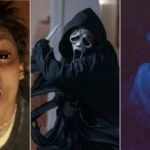
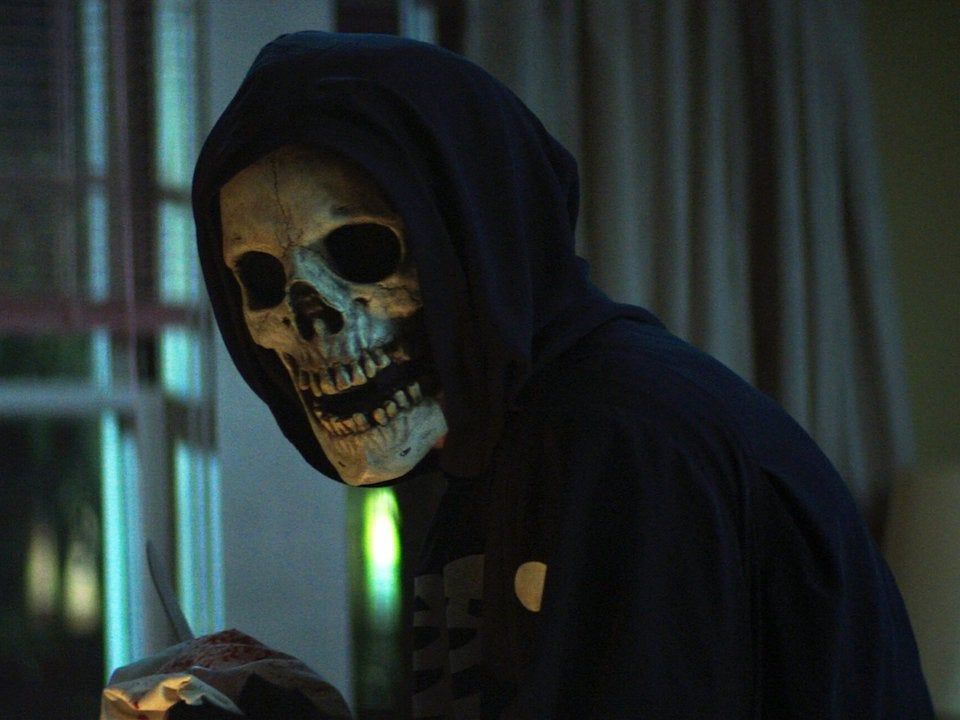
The generic masked killer stalking teenagers is basically extinct. Modern horror villains have backstories, motivations, sometimes even sympathetic elements that make them genuinely unsettling instead of just threatening.
I grew up with killers who were evil because the script said so. No depth, no explanation, just murder machines in human form. Now we’re getting antagonists with psychological complexity that makes you understand them even while being horrified by their actions.
This shift makes horror stick with you longer. I can’t stop thinking about certain antagonists weeks after watching because they felt like actual characters instead of plot devices. That psychological residue is way more valuable than simple scares that evaporate when the movie ends.
Some films are exploring whether the protagonist is actually the monster. Unreliable narrators, moral ambiguity, protagonists making increasingly questionable decisions. You’re rooting for someone then suddenly questioning whether you should be.
Smart Commentary Hidden In Scares
Horror always reflected societal anxieties, but it used to be pretty on-the-nose. Zombie = consumerism. Vampire = disease. Slasher = punishment for teenage sexuality. Subtle as a brick.
Current films layer meaning in ways that work purely as entertainment while also saying something substantial. You can watch them as straight horror or dig into the subtext – both experiences work independently.
I appreciate horror that trusts audience intelligence. We don’t need the theme spelled out in dialogue. Show us through visuals, structure, and metaphor. Let us figure it out. The best new horror treats viewers like adults capable of interpretation.
Social commentary feels organic now instead of forced. Films explore class, race, gender, technology, isolation – heavy topics embedded in genuinely scary stories. You’re not sitting through a lecture disguised as entertainment.
Unconventional Story Structures
Three-act structure used to be mandatory. Setup, confrontation, resolution. Hero survives, evil is defeated, order restored. You knew exactly where things were heading by minute 30.
Modern horror breaks structural expectations constantly. Some films have ambiguous endings that refuse to provide closure. Others kill main characters unexpectedly or reveal the “hero” was doomed from the start.
I watched one that played like a typical haunted house story for an hour, then completely shifted genres in the third act. Disorienting in the best way – you can’t settle into comfortable prediction when the film refuses to follow expected patterns.
Nonlinear storytelling is being used effectively to build mystery and recontextualize earlier scenes. What seemed random becomes significant when you understand the full timeline. Demands attention and rewards it.
Elevated Production Values
Horror used to look cheap because it was cheap. Limited budgets meant bad lighting, mediocre acting, and visible effects limitations. Part of the charm for some films, but mostly just looked amateurish.
Current horror films have real budgets and production value. Cinematography that’s genuinely beautiful even while showing horrifying content. Sound design that uses your home theater effectively. Acting from people who can actually perform.
This shift makes horror respectable to audiences who dismissed the genre as low-quality. My wife wouldn’t watch horror with me for years because she associated it with bad production. Now she’ll actually watch because films look and sound professional.
Streaming platforms investing in horror content changed the budget game completely. When major studios and streaming services fund horror, filmmakers get resources to execute their visions properly instead of making compromises due to money constraints.
Diverse Perspectives Behind The Camera
Horror used to come from a pretty narrow demographic of filmmakers. Same perspectives, same cultural touchstones, same fears explored repeatedly.
Now we’re getting horror from different cultures, backgrounds, and perspectives. Each brings unique fears and storytelling traditions that feel fresh compared to Western horror conventions we’ve seen recycled endlessly.
Films exploring cultural-specific fears that Western audiences aren’t familiar with hit differently. The unfamiliarity adds extra unease because you can’t predict what’s coming based on Hollywood conventions.
Female directors, directors of color, international filmmakers – all bringing viewpoints that expand what horror can be and what scares it can explore. The genre benefits massively from this expanded creative pool.
Genre Blending That Actually Works
Pure horror is becoming rare. Most interesting films blend genres in ways that enhance both elements instead of diluting them.
Horror-comedy has been around forever, but modern versions balance both tones effectively instead of just being parodies. Actually scary AND actually funny, which is incredibly difficult to pull off.
I’ve seen horror mixed with drama, science fiction, western, even romance in ways that work. The genre combinations create unexpected experiences that feel fresh even to longtime horror fans.
Wrapping This Up
Horror is experiencing a creative renaissance that’s challenging everything I thought I knew about the genre. Films are smarter, better made, more diverse, and genuinely surprising in ways I didn’t expect after decades of watching.
Can every new horror film challenge expectations? No – plenty of generic jump-scare factories still get made. But the best examples are pushing boundaries and proving horror can be intelligent, beautiful, and terrifying simultaneously.
As someone who’s watched horror evolve over 30 years, this current era is genuinely exciting. The genre is earning respect while still delivering scares, which is exactly what it needed.