
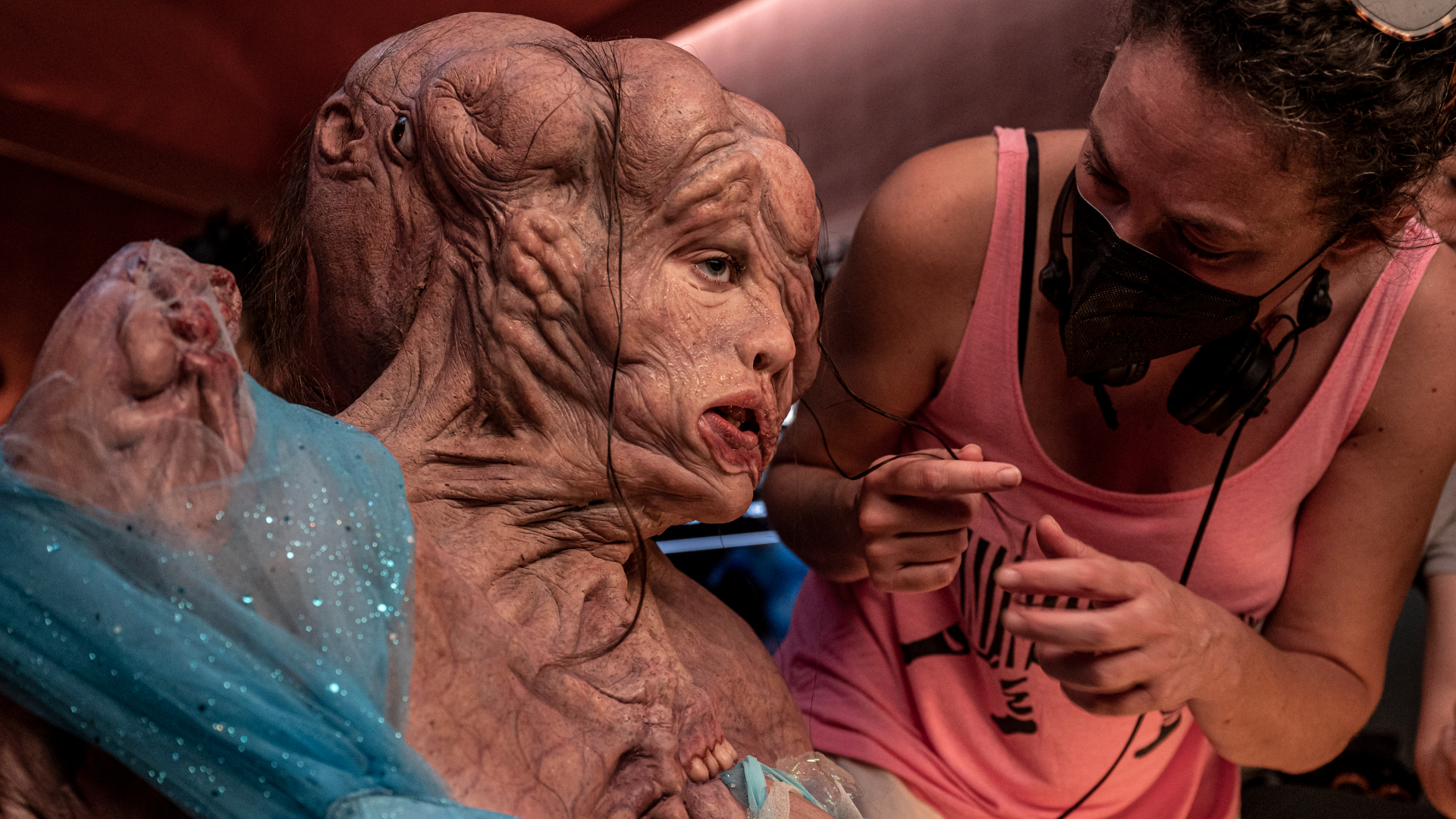
Horror fandom is unlike any other movie culture I’ve experienced. We’re obsessive, opinionated, and deeply invested in the genre’s evolution. A single film can spark debates that last years and influence everything that follows.
I’ve watched horror culture shift dramatically over the past decade. What we value, how we discuss films, which subgenres dominate attention – all changed in response to specific influential movies that redefined what horror could be.
New films don’t just entertain horror fans – they shape the culture, change expectations, and influence how we think about the entire genre. Here’s how that actually happens.
Changing What Qualifies As Scary
Horror fans used to have pretty rigid definitions of what counted as “real” horror. Gore, jump scares, supernatural elements – check specific boxes or you weren’t horror.
Recent films expanded those boundaries. Slow-burn psychological horror with minimal violence gets embraced now. Films focused on dread rather than explicit scares are recognized as legitimate horror instead of dismissed as “not scary enough.”
I’ve seen culture shift from demanding explicit content to valuing atmospheric tension and psychological unease. What scares us evolved beyond cheap tactics to appreciate sophisticated approaches that linger in your mind.
Films that succeeded commercially and critically using unconventional scare techniques gave permission for more experimentation. Culture follows success – prove something works and suddenly it’s acceptable where it wasn’t before.
Elevating Genre Respectability
Horror used to be dismissed as low-culture entertainment. Critics ignored it, awards shows excluded it, and admitting you loved horror meant accepting cultural judgment.
Recent films changed that perception completely. Horror is now discussed in prestige publications, wins major awards, and gets analyzed with the seriousness previously reserved for drama. Culture shifted from embarrassment to pride.
I can openly discuss loving horror without people treating it like guilty pleasure. The genre earned respect by producing films that work as excellent cinema beyond just delivering scares. Quality elevated everything.
When respected filmmakers work in horror, it signals the genre matters. Audiences who previously avoided horror started exploring because cultural gatekeepers gave permission. That expanded audience changed horror culture by bringing new perspectives.
Creating New Shared Vocabulary
Iconic films give horror fans shorthand for discussing concepts and techniques. We reference specific scenes, moments, or creative choices as touchstones everyone understands.
Conversations about modern horror reference particular films constantly. “It did that thing like…” followed by a movie title communicates complex ideas efficiently. Those shared reference points unite culture and facilitate deeper discussion.
I’ll watch something new and immediately think about which previous film it reminds me of or subverts. That comparative analysis requires shared knowledge base that influential films create.
Memes and internet culture amplify this shared vocabulary. Specific images, quotes, or moments become cultural shorthand that spreads beyond just horror fans into general pop culture awareness.
Influencing Subgenre Popularity
Horror encompasses dozens of subgenres, and cultural attention shifts between them based on influential recent films. A successful zombie film sparks zombie renaissance. Effective folk horror triggers folk horror boom.
I’ve watched this cycle repeatedly. One film succeeds, studios greenlight similar projects, suddenly that subgenre dominates for 2-3 years until something else captures attention. The horror movies that break through commercially redirect the entire genre temporarily.
This creates feast-or-famine situations for different subgenres. Vampires were everywhere, then disappeared for years. Found footage dominated, then audiences got exhausted. Ghost stories, possession films, creature features – each has cycles driven by standout examples.
Horror culture’s tastes evolve based on what recent films proved possible. We get excited about fresh takes on familiar subgenres because successful films demonstrated there’s still innovation available.
Fostering Critical Discussion
Horror fans analyze films with academic rigor now. Subtext, themes, cinematography, sound design – serious critical discussion happens constantly in online communities.
This cultural shift toward analytical viewing came from films that rewarded deep analysis. Once horror proved it could operate on multiple levels simultaneously, culture responded by engaging more thoughtfully.
I participate in discussions about horror that are more intellectually rigorous than conversations about prestige dramas. Horror culture values smart analysis alongside visceral reactions.
Podcasts, YouTube channels, essays, and forums dedicated to horror criticism create spaces for serious engagement. Culture developed infrastructure for thoughtful discussion because films gave us substance worth discussing.
Building Community And Events
Horror culture creates community through film festivals, conventions, special screenings, and online spaces. Shared passion for the genre connects strangers who bond over favorite films and directors.
Special event screenings feel like cultural moments. I’ve attended midnight showings where the collective experience enhanced the film. Watching with passionate fans who react audibly creates energy theaters can’t replicate.
Horror conventions celebrate the genre and create spaces where being obsessive fan is normal rather than weird. That community reinforcement strengthens culture and creates belonging.
Online communities let geographically dispersed fans connect and share recommendations. I’ve discovered incredible films through forum recommendations from people I’ve never met but trust because we share horror passion.
Preserving And Honoring History
Modern horror culture increasingly values genre history. We revisit classic films, appreciate pioneers, and trace influences connecting past to present.
New films that reference or pay homage to classics encourage audiences to explore horror history. I’ve seen younger fans discover 70s and 80s horror because modern films referenced them lovingly.
Restorations and re-releases of classic horror find enthusiastic audiences now because culture values preservation. We want future generations experiencing foundational films that shaped everything that followed.
Physical media collecting became horror cultural touchstone. Boutique labels releasing special editions of classic and obscure horror found dedicated customer base willing to pay premium for quality presentations.
Wrapping This Up
Horror culture is vibrant, evolving, and shaped continuously by influential new films that change what we value and expect from the genre. Each significant film ripples through culture, affecting tastes, discussions, and future directions.
As someone deeply embedded in horror fandom, I’ve watched culture mature from defensive justification to confident celebration. We know the genre matters culturally and artistically, and we’re not apologizing for loving it anymore.
The best new horror films challenge culture to expand definitions, raise standards, and appreciate innovation while respecting tradition. That ongoing conversation between films and fans creates the dynamic culture that makes being horror fan endlessly engaging.