
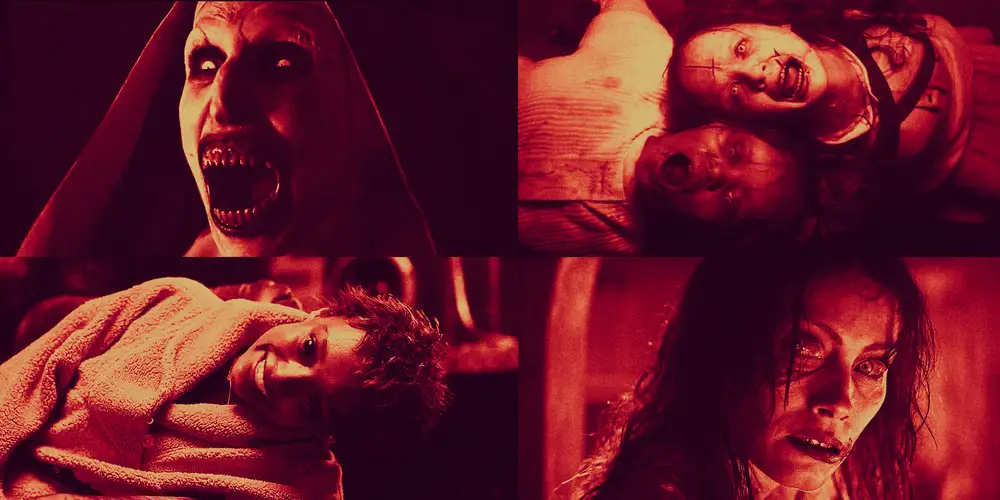
Five years ago, horror remained relegated to cheap genre exercises dismissed by mainstream audiences and critics as lowbrow entertainment unworthy of serious consideration or awards recognition.
Today’s landscape looks dramatically different—horror commands theatrical success, streaming viewership, critical acclaim, and awards attention previously reserved for prestige dramas and franchise blockbusters exclusively.
Horror’s Box Office Dominance
What I’ve learned through distribution analysis is that horror delivers disproportionate returns relative to production costs, making it the most reliably profitable genre studios can invest in currently.
“M3GAN” cost $12 million and grossed $181 million globally—15x return that few other genres can replicate consistently whilst maintaining quality standards appealing to broad audiences.
“Scream VI” earned $169 million on $35 million budget, whilst “Evil Dead Rise” pulled $147 million from $19 million—these aren’t flukes but patterns demonstrating horror’s commercial power.
The data tells us that horror outperforms expectations more consistently than any genre—modest budgets coupled with passionate fanbases create low-risk high-reward scenarios studios prioritize increasingly.
From a practical standpoint, theatrical horror benefits from communal experience that streaming can’t replicate—audiences specifically want to experience scares together amplifying reactions and social media buzz.
What surprises industry analysts repeatedly is horror’s pandemic recovery outpacing other genres—audiences returned to theaters for horror faster than dramas or comedies struggling regaining pre-pandemic attendance.
Back in 2018, studios viewed horror as niche product for dedicated fans. Today’s executives recognize horror as mainstream tentpole material commanding release dates and marketing budgets previously reserved for franchises.
Critical and Awards Recognition
Look, the bottom line is that critical dismissal of horror has evaporated—major critics and awards bodies now recognize genre excellence previously ignored through snobbish genre hierarchies.
“Get Out” earned Best Picture nomination in 2018, whilst “Midsommar,” “Hereditary,” and “The Lighthouse” dominated year-end critics’ lists despite lacking traditional Oscar nominations yet.
Performances in horror receive serious recognition—Lupita Nyong’o’s “Us” dual role, Toni Collette’s “Hereditary” devastation, and Mia Goth’s “Pearl” unhinged commitment earned widespread critical praise.
Genre festivals like Sundance and SXSW now premiere horror as prestige acquisitions rather than midnight cult offerings, whilst major publications assign serious critics covering horror releases comprehensively.
From experience, this legitimization creates positive feedback—better budgets attract stronger talent, producing higher-quality films earning more recognition, elevating entire genre’s reputation cyclically.
The reality is that horror always contained artistic merit—cultural attitudes finally caught up recognizing what genre fans knew for decades about sophisticated storytelling possibilities.
What actually changed isn’t horror’s quality but critical willingness engaging with genre work seriously rather than dismissing it automatically based on categorical prejudice alone.
Social Commentary and Cultural Relevance
Here’s what works in contemporary horror that resonates beyond genre fans: films tackle urgent social issues through genre frameworks making commentary accessible and emotionally impactful.
“Get Out” dissected racism and liberal hypocrisy, “Us” explored class divisions and privilege, whilst “Candyman” (2021) examined gentrification and historical trauma through supernatural horror lens.
“The Invisible Man” provided domestic abuse metaphor that resonated powerfully during Me Too era, delivering genre thrills whilst addressing serious trauma with genuine sensitivity and insight.
“Nope” commented on exploitation, spectacle culture, and Hollywood’s troubled racial history whilst delivering blockbuster entertainment—social depth enhances rather than contradicts commercial appeal.
What I’ve learned through cultural analysis is that horror’s metaphorical nature allows addressing uncomfortable topics audiences might resist in straight dramas—genre distance enables engagement.
From a practical standpoint, younger audiences particularly value entertainment that reflects contemporary concerns rather than escapism ignoring reality—horror delivers both simultaneously effectively.
The sweet spot involves commentary integrated naturally into narratives rather than forced messaging—best horror makes points through story rather than stopping to lecture audiences explicitly.
Streaming Platforms Investing in Horror
What data reveals is that horror dominates streaming viewership disproportionately—platforms recognize this investing heavily in original horror content attracting and retaining subscribers effectively.
Netflix produced “His House,” “Fear Street” trilogy, and “The Ritual”—quality original horror that competes with theatrical releases whilst building exclusive content libraries strategically.
Shudder exists exclusively for horror proving viable niche streaming model, whilst Amazon acquired MGM partly for horror catalog including franchises driving Prime Video subscriptions measurably.
Hulu’s “Hellraiser” reboot and “No One Will Save You” demonstrate platforms treating horror as prestige content worthy of major marketing campaigns and production budgets.
From experience, streaming’s data-driven approach confirms what box office suggested—horror attracts passionate engaged viewers more reliably than most genres across demographics.
The reality is that horror binge-watches effectively—viewers consuming entire franchises or similar titles sequentially, creating engagement metrics platforms prioritize when commissioning future content.
What surprises casual observers is horror’s algorithmic success—recommendations drive discovery better for horror than most genres, as fans actively seek new entries once they’ve discovered the genre.
Creative Freedom and Filmmaker Interest
The data tells us that established filmmakers increasingly choose horror for creative expression—genre conventions provide frameworks whilst allowing experimental storytelling beyond traditional dramas.
Jordan Peele transitioned from comedy to horror directing “Get Out,” “Us,” and “Nope”—genre framework enabled social commentary through entertaining accessible packages reaching wider audiences.
Ari Aster exploded onto scene with “Hereditary” and “Midsommar”—horror’s relative affordability let him realize distinctive visions that conventional dramas couldn’t accommodate budget-wise.
Robert Eggers built reputation through “The Witch” and “The Lighthouse”—period horror allowed historical exploration whilst maintaining commercial appeal beyond niche art-house audiences.
From a practical standpoint, horror’s profitability gives filmmakers leverage pursuing creative visions—proven commercial viability lets directors experiment whilst studios remain financially confident.
What I’ve learned through industry consulting is that horror attracts talent specifically because it’s taken seriously now—prestige no longer requires abandoning genre for conventional dramas.
Back in 2010, horror directing meant career limitations and critical dismissal. Today’s landscape sees horror as launchpad for prestigious careers and ongoing creative home for established auteurs.
Conclusion
Horror dominates contemporary cinema through commercial reliability, critical legitimization, cultural relevance, streaming investment, and creative appeal attracting top-tier filmmaking talent consistently.
The genre’s evolution from dismissed entertainment to mainstream cultural force reflects changing attitudes recognizing sophisticated storytelling possibilities horror uniquely enables through metaphorical frameworks.
What I’ve learned is that horror’s current dominance isn’t temporary trend but sustainable shift—audiences, critics, and industry recognize value previously overlooked through genre prejudice.
FAQs
Will horror’s popularity decline like previous trends?
Unlikely. Current success stems from genuine quality and cultural relevance rather than fad appeal. Horror’s commercial reliability and creative possibilities suggest sustained prominence rather than temporary spike.
Why do younger audiences particularly embrace horror?
Horror addresses contemporary anxieties directly whilst delivering entertainment. Younger viewers value socially-conscious content and communal viewing experiences horror provides better than most genres currently.
Are horror budgets increasing with mainstream success?
Selectively. Studios invest more in proven franchises and director-driven projects whilst maintaining low-budget model for experimental entries—diversified approach balancing risk and reward strategically.
How has horror’s critical reception changed?
Dramatically. Major critics now engage seriously with horror rather than dismissing automatically. Genre work appears on year-end lists, awards ballots, and receives analysis previously reserved for prestige dramas.
Do international audiences embrace horror equally?
Yes, often more enthusiastically. Horror translates culturally well through universal fears, whilst international markets produce distinctive horror enriching global genre conversations and cross-cultural exchanges.
Will awards bodies fully embrace horror eventually?
Slowly progressing. Genre films earn technical nominations increasingly, whilst major category recognition remains limited. Continued quality output and changing attitudes suggest eventual full acceptance coming.
How do streaming metrics compare for horror versus other genres?
Horror consistently overperforms in engagement, completion rates, and recommendation-driven discovery. Platforms prioritize horror accordingly, commissioning more content responding to viewer behavior data.
Are horror remakes/sequels hurting original content?
Mixed. Franchises deliver commercial safety whilst original horror thrives simultaneously—both coexist serving different audience needs rather than competing directly for limited resources or attention.
Why do directors choose horror for serious themes?
Genre frameworks allow metaphorical exploration of difficult subjects whilst maintaining entertainment value. Horror’s conventions enable commentary through allegory audiences might resist in straight dramas.
Will horror maintain theatrical relevance as streaming grows?
Yes. Horror benefits uniquely from communal theatrical experience—shared reactions and technical presentation matter more for horror than most genres, sustaining theatrical business despite streaming competition.